Reforestation
Reforestation
Building Productive, Resilient Forests for the Future
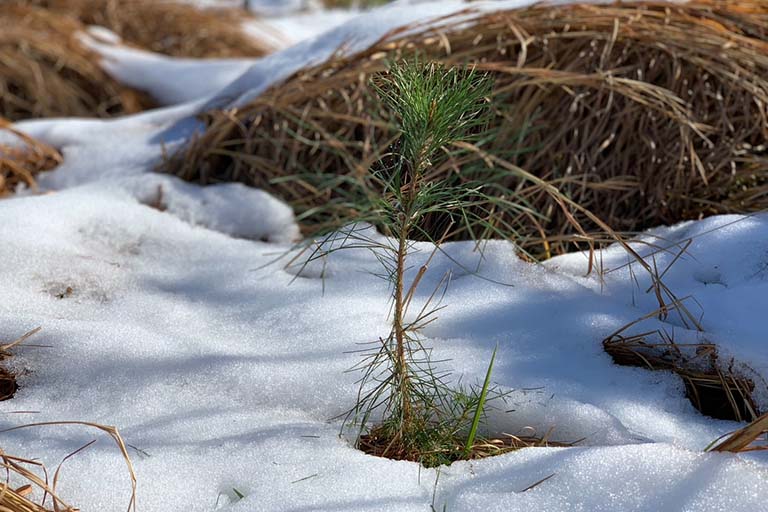
Reforestation has been, and will always remain, one of the most important components of a successful forest management program. The decisions made at the reforestation stage directly influence timber value, wildlife habitat, and overall land performance for decades to come.
At Nexus Land & Timber Solutions, we provide professional reforestation services designed to help landowners achieve specific property objectives and establish future timber stands with confidence. Whether your goal is pure pine production, bottomland hardwood restoration, or a mixed-species planting, our team develops site-specific reforestation strategies grounded in sound forestry principles and long-term planning.
Our reforestation work is fully integrated with our broader forest management planning services to ensure your land develops exactly as intended, years down the road.
Why Reforestation Planning Matters
Reforestation is far more than planting seedlings. It is the foundation of:
- Future timber quality and yield
- Stand health and resilience
- Wildlife habitat structure
- Long-term land value
Poor species selection, improper spacing, or inadequate site preparation can limit a stand’s productivity for generations. Strategic reforestation ensures your property reaches its desired condition efficiently and sustainably.
Our Reforestation Approach
We take a goal-driven, site-specific approach to reforestation. Every project begins with a clear understanding of landowner priorities, site conditions, and long-term management goals.
Our reforestation services are often coordinated with:
- Timber inventory and appraisals
- Forest stand improvement services
- Wildlife management planning
- Cost share program administration
This integrated approach ensures that today’s planting decisions support tomorrow’s outcomes.
Reforestation Services We Provide
Evaluating Your Site and Selecting Species
We evaluate soils, drainage, topography, and prior land use to determine the most appropriate species and planting strategy for your property.
Reforestation options include:
- Pure pine stands focused on timber production
- Bottomland hardwood plantings for restoration and habitat goals
- Mixed-species plantings to enhance resilience, diversity, and long-term flexibility
Designing Your Reforestation Plan
We develop customized reforestation plans that define:
- Species composition
- Planting density and spacing
- Site preparation requirements
- Compatibility with future thinning and harvest plans
Each plan is aligned with your desired future timber stand condition.
Coordinating Site Preparation
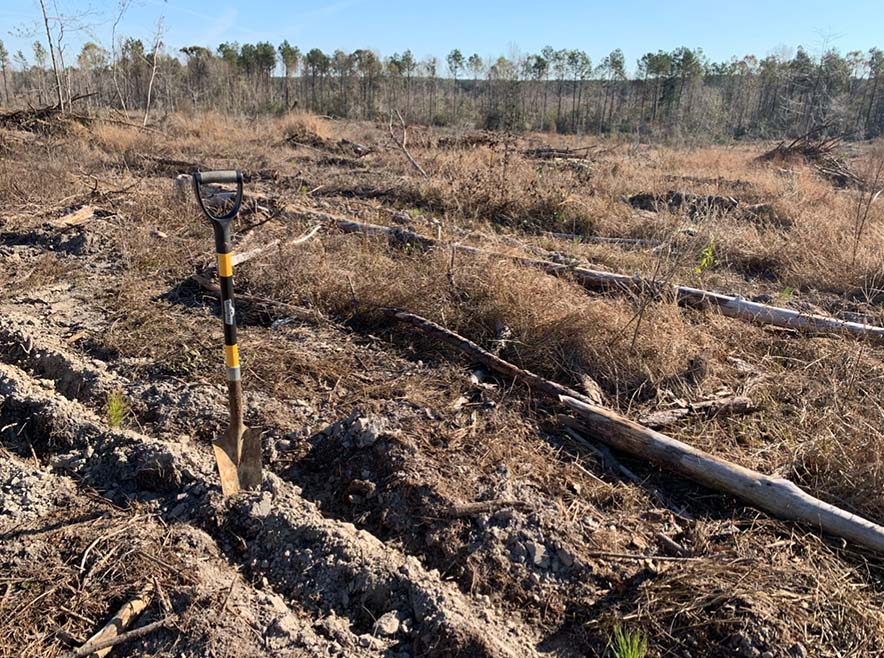
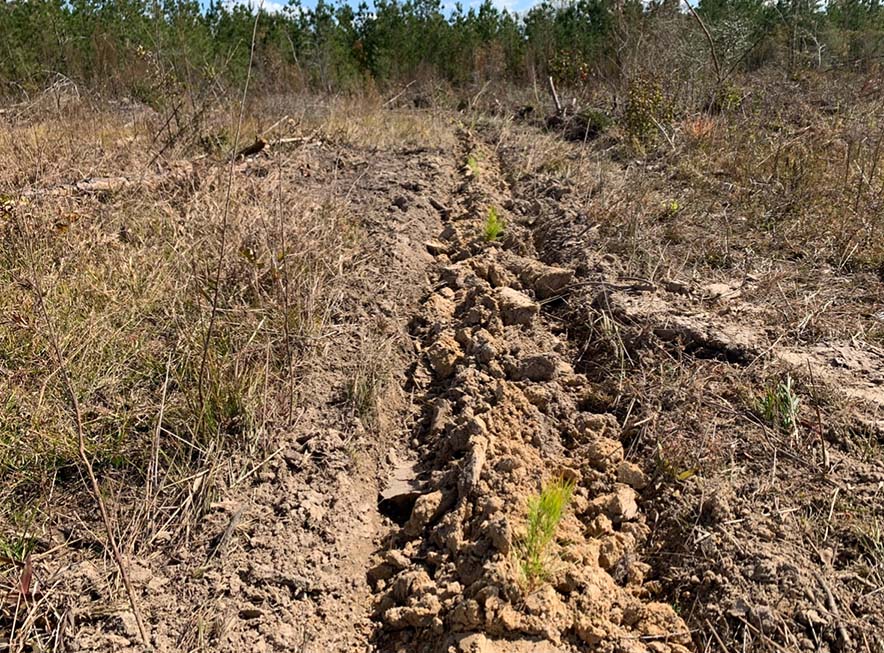
Proper site preparation is critical to seedling survival and early growth. We provide guidance on mechanical, chemical, and prescribed preparation methods to ensure optimal planting conditions.
Overseeing Planting and Quality Control
We assist with planting implementation to ensure:
- Correct species and stock selection
- Proper planting depth and spacing
- Adherence to forest Best Management Practices (BMPs)
This oversight protects your investment during the most vulnerable stage of stand establishment.
Reforestation for Cost-Share & Conservation Programs
Many reforestation projects qualify for federal and state conservation funding. We support landowners through cost share program administration by aligning reforestation plans with program requirements and long-term compliance standards.
Reforestation as Part of Long-Term Land Management
Reforestation is not a stand-alone activity: it’s the starting point of long-term forest management.
When coordinated early with forest management planning, stand improvement, and wildlife objectives, reforestation can:
- Reduce future management costs
- Improve stand performance
- Enhance wildlife habitat
- Increase long-term timber value
Thoughtful planning today leads to healthier, more productive forests tomorrow.
Frequently Asked Questions
When is the best time to reforest a property?
Planting timing depends on species and site conditions, but most reforestation occurs during dormant seasons to maximize seedling survival.
Should I plant pine, hardwoods, or a mixed stand?
The best option depends on your objectives, soil conditions, and long-term goals. Pine stands often support timber production, hardwoods support habitat and restoration, and mixed stands provide flexibility and resilience.
How long does it take for a forest stand to mature?
Timelines vary by species and management approach. Pine stands are often managed on shorter rotations, while hardwood stands typically require longer planning horizons.
Can reforestation improve wildlife habitat?
Yes. Properly designed reforestation can significantly enhance wildlife habitat, especially when integrated with wildlife management plans and forest stand improvement practices.
Is financial assistance available for reforestation?
Many landowners qualify for cost-share or conservation programs. Early planning helps ensure eligibility and long-term compliance.
Why Choose Nexus Land & Timber Solutions?
- Site-specific, goal-driven reforestation planning
- Experience with pine, hardwood, and mixed stands
- Integrated forestry and wildlife management expertise
- Focus on long-term land performance, not just planting
We help landowners turn cleared ground into productive, resilient forests built for the future.
Schedule a Consultation
If you’re planning a reforestation project or evaluating options for your property, contact Nexus Land & Timber Solutions to discuss objectives, species selection, and long-term strategy.
Ready to Tackle Your Regulatory Issues? Let Us Help.
Our experience and a wide array of EHS services can help your business to proactively address environmental, health, and safety regulatory issues. Contact us now to get started.