Harvest Data Analysis

Harvest Data Analysis
Data-Driven Insight for Balanced, Sustainable Wildlife Management
Sound harvest decisions are essential to maintaining healthy wildlife populations and balanced ecosystems. Without proper analysis, hunting pressure or wildlife removal activities can unintentionally disrupt population dynamics, habitat balance, and long-term management objectives.
Nexus Land & Timber Solutions provides professional harvest data analysis services to help landowners and wildlife managers interpret harvest information accurately, assess population impacts, and make informed decisions that align with long-term wildlife and land management goals.
Our approach transforms raw harvest data into actionable insight, supporting sustainable harvest strategies grounded in science and field experience.
What Is Harvest Data Analysis?
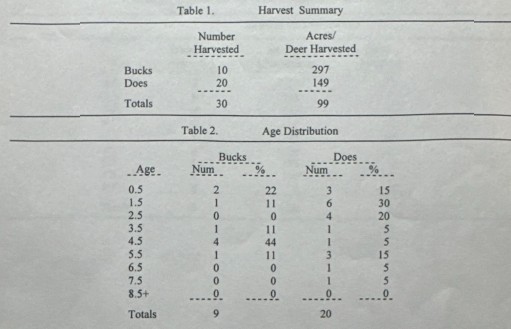
Harvest data analysis involves evaluating wildlife harvest records to understand how hunting or removal activities affect population size, structure, and health over time.
Key metrics often include:
- Harvest numbers and trends
- Age and sex ratios
- Harvest effort and success rates
- Seasonal and spatial patterns
- Population response indicators
When combined with field assessments, harvest data analysis helps guide adaptive wildlife management and prevent overharvest or population imbalance.
Related Service: Wildlife Management Plans
Our Harvest Data Analysis Services
Collecting and Reviewing Your Data
We review and organize available harvest records, whether collected by landowners, hunting programs, or wildlife managers.
Data sources may include:
- Annual harvest logs
- Hunter observations and reports
- Biological data (age, sex, weights where available)
We evaluate data quality and consistency to ensure reliable analysis.
Understanding Population Impact
Using harvest data, we assess how current harvest levels influence wildlife populations and ecosystem balance.
This assessment helps determine:
- Whether harvest levels are sustainable
- If population structure is trending positively or negatively
- How harvest pressure aligns with habitat capacity
Related Service: Population Surveys & Assessments
Harvest Strategy Recommendations
Based on analysis results, we provide clear, defensible recommendations to support balanced harvest strategies.
Recommendations may include:
- Adjusting harvest quotas or timing
- Targeting specific age or sex classes
- Aligning harvest with habitat conditions
These strategies are designed to support long-term population health rather than short-term gains.
Tying It All Together with Habitat and Land Management
Harvest outcomes are directly influenced by habitat quality and land management practices. We integrate harvest data analysis with broader management services to ensure consistency across objectives.
This includes coordination with:
- Forest Stand Improvement for Wildlife
- Species-Specific Habitat Evaluation & Management
- Forest Health & Monitoring
This holistic approach ensures that harvest decisions are supported by habitat capacity and ecosystem health.
How Harvest Data Analysis Supports Long-Term Wildlife Management
Harvest data analysis is most effective when used as part of an adaptive management framework. We connect harvest insights with:
- Wildlife Management Plans for goal alignment
- Population Surveys & Assessments for validation
- Forest Management Planning to align habitat and harvest objectives
- Cost Share Program Administration where data supports conservation funding
This integration ensures harvest decisions remain science-based, defensible, and aligned with long-term goals.
Frequently Asked Questions
Why is harvest data analysis important?
Harvest data analysis helps ensure wildlife removal activities are sustainable and don't negatively impact population health or ecosystem balance.
What species can harvest data analysis be applied to?
Harvest data analysis can be applied to a wide range of game and non-game species, depending on available data and management objectives.
Do I need years of data for analysis to be useful?
Long-term data provides the most insight, but even limited or recent data can help identify trends and guide near-term decisions.
How does harvest data analysis differ from population surveys?
Harvest data analysis evaluates the impact of removals, while population surveys estimate population size and structure. Used together, they provide a complete management picture.
Can harvest data analysis improve hunting quality?
Yes. Balanced harvest strategies often lead to healthier populations, improved age structure, and more consistent hunting opportunities over time.
Make Confident, Data-Backed Harvest Decisions
Harvest data analysis provides the clarity needed to balance wildlife populations, habitat capacity, and landowner objectives. Nexus Land & Timber Solutions delivers practical, science-based insight that supports responsible harvest management and long-term ecological health.