Understanding Prescribed Burns:
Definitions, Why It Works, and How to Plan One
Understanding Prescribed Burns
If you have spent any time around land management in Louisiana, Texas, Arkansas, Mississippi, or Oklahoma, you have heard folks talk about burning. Maybe you have driven past a property in February and seen the smoke, or watched your neighbor’s pasture come back thick and green after a fire moved through. There is a reason so many landowners swear by prescribed burning. When done right, it is one of the best things you can do for your property.
This guide covers what prescribed burning actually is, why it works so well on Southern land, and what goes into doing it safely. Whether you are managing timber, trying to improve your deer hunting, or just want to take better care of what you have, understanding fire is fundamental to good land stewardship in this part of the country.
What is a Prescribed Burn?
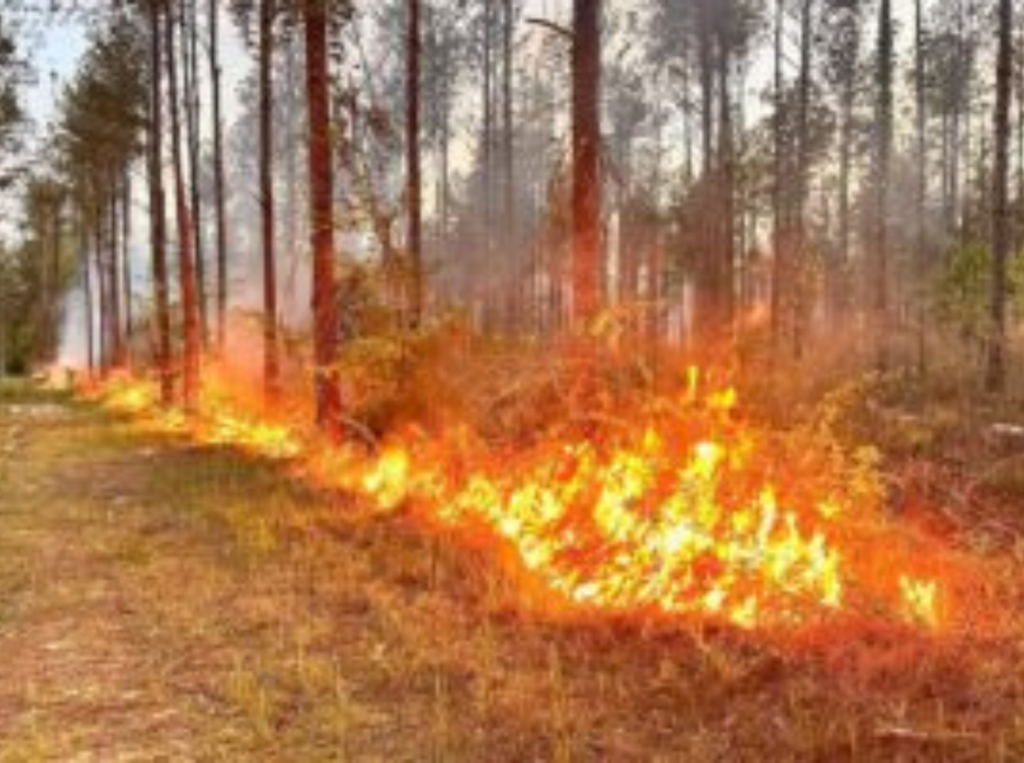
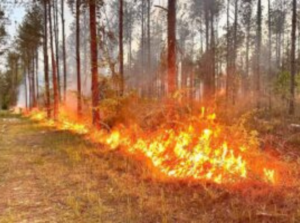
A prescribed burn is simply fire used on purpose to accomplish something specific on the land. Unlike a wildfire that shows up uninvited and does what it wants, a prescribed burn is planned out, executed when conditions are right, and controlled throughout the process.
Think of it like this: a doctor prescribes medicine to treat a specific problem. A land manager prescribes fire the same way. The prescription spells out what the fire should accomplish, when it should happen, what weather conditions are acceptable, and how it will be controlled. Nothing is left to chance.
This is not some new idea cooked up by academics. Native Americans burned these forests and prairies for thousands of years to improve hunting and keep the land healthy. The techniques have gotten more refined, but the basic principle is the same: fire is a natural part of this landscape, and working with it beats fighting against it.
Why Fire Matters on Southern Land
Here is the thing about land in the South: it evolved with fire. Before we started suppressing every spark, lightning and human activity meant these forests and fields burned regularly. The plants and animals here are not just tolerant of fire. Many of them need it.
When you take fire out of the equation, the land does not just stay the same. It changes, and usually not for the better.
Walk through a pine stand that has not burned in ten or fifteen years. The understory is a tangled mess of yaupon, sweetgum saplings, and brush so thick you can barely push through it. That “rough” chokes out the native grasses and forbs that wildlife depend on. Your pines are competing with all that understory for water and nutrients. And every year, more dead leaves and branches pile up on the ground, building a fuel load that is just waiting for the wrong spark on the wrong day.
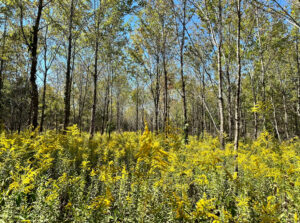
Now walk through a stand that gets burned every few years. It is open. You can see through the trees. Native grasses and wildflowers carpet the ground. Quail are running through the understory. The pines are growing without competition. And if a fire does come through unexpectedly, it will burn low and cool instead of torching everything in sight.
That is the difference fire makes. It is not about destroying the land. It is about resetting it to what it is supposed to be.
What Prescribed Burning Does for Your Property
The benefits of burning stack up across just about every land management goal you might have.
Better Timber
If you are growing pines, fire is your best friend. It knocks back the hardwood competition that robs your trees of sunlight, water, and soil nutrients. Pines that do not have to fight through a jungle of understory grow faster and straighter. Plus, releases many nutrients back into the soil and makes others more available, even though some nitrogen is lost to the atmosphere. That would otherwise stay locked up in all that dead material on the ground. Foresters have known this for generations. There is a reason the best timber operations burn regularly.
More Wildlife
Ask anyone who has watched their property after a burn, and they will tell you the wildlife response is remarkable. Fire stimulates the native plants that deer, turkey, and quail depend on. Within weeks of a burn, you will see fresh green growth coming up through the ash. That tender new vegetation draws deer like a magnet. The open understory gives quail and turkey the ground-level visibility they need to spot predators. We have seen landowners go from almost no quail sightings to coveys all over the property within a few years of starting a burn program.
Reduced Wildfire Risk
Every year you go without fire, fuel keeps piling up. Dead leaves, pine straw, fallen branches. It adds up. When a wildfire eventually does come through, and eventually one will, all that accumulated fuel means a hotter, more destructive fire that is harder to control. Prescribed burning removes that fuel on your terms, under controlled conditions. You are essentially trading a fire you cannot control for one you can.
Fewer Invasives and Pests
A lot of the invasive plants causing problems across the South are not fire-adapted. Chinese privet, Japanese climbing fern, cogongrass. Regular burning can help suppress some invasive plants, especially when combined with herbicide or mechanical control. Fire can temporarily reduce tick and chigger populations by removing leaf litter by removing the leaf litter where they thrive.
How Often Should You Burn?
There is no single answer that fits every property. It depends on what you are trying to accomplish, what kind of vegetation you have, and how quickly things grow back in your area. That said, most land in the South benefits from fire every two to four years.
If you are managing for quail or other ground-nesting birds, you might burn more frequently, maybe every one to three years. Those birds need that open understory, and it closes up fast in our climate. For timber, every two to four years usually keeps the hardwood competition under control without overdoing it. Deer hunters often like a mosaic approach, burning different sections in different years so there is always a mix of recently burned areas and places with more cover.
If your property has not seen fire in a long time, the first burn takes extra planning. Heavy fuel loads change how fire behaves, and you need to account for that. But do not let that discourage you. Getting fire back on the land is worth the extra effort. The second and third burns get easier once you have knocked down that initial accumulation.
What Goes Into a Burn Plan
Every prescribed burn starts with a written plan. This is not bureaucratic paperwork for its own sake. A burn plan forces you to think through everything that could go right and wrong before you ever strike a match. The best burn crews work from a plan every single time, even on properties they have burned for years.
A solid burn plan covers several key areas.
Objectives
What exactly are you trying to accomplish? Reduce fuel? Improve habitat? Control hardwoods? Set back an invasive species? Your objectives shape every other decision, so they need to be clear from the start.
Site Assessment
What exactly are you trying to accomplish? Reduce fuel? Improve habitat? Control hardwoods? Set back an invasive species? Your objectives shape every other decision, so they need to be clear from the start.
Weather Parameters
Fire and weather are inseparable. Your plan should specify the acceptable ranges for temperature, humidity, wind speed, and wind direction. Step outside those parameters, and you do not burn that day. Period. This is not the place to get creative.
Firing Techniques
How you light and manage the fire matters. Backing fires burn slowly into the wind and stay cooler. Head fires burn with the wind and move faster with more intensity. Strip-head fires combine elements of both. The right technique depends on your objectives and conditions.
Control Lines
How are you going to keep the fire where it belongs? Roads, plowed lines, creeks, wet lines from a pump. You need to know where your edges are and how you will hold them. And you need a backup plan if something does not hold.
Crew and Equipment
Who is going to be there, and what is their job? What equipment do you need on site? Water, ignition tools, communication, protective gear. Everyone needs to know the plan before the first flame hits the ground.
Notifications
Most states require permits and notifications before you burn. Your plan should include who needs to know: the forestry commission, the local fire department, your neighbors. This is not optional.
When to Burn
Traditional burning season in the South runs from late fall through early spring, roughly November through April. The vegetation is dormant, humidity tends to be higher, and weather patterns are generally more cooperative. Most burning happens during the winter months, December through February.
Growing season burns, typically April through June, have become more popular for certain situations. They can be more effective at setting back hardwoods and stimulating warm-season native grasses. But they also come with higher risk. Fire danger is elevated, and you have to be mindful of nesting birds and other wildlife. Growing season burns are not for beginners.
The specific timing for your property depends on what you are trying to achieve. A professional can help you figure out the optimal window based on your objectives and local conditions.
Safety is Not Negotiable
Prescribed fire should only be conducted in accordance with state laws and professional standards.
Fire can get away from you fast. Conditions change, wind shifts, something unexpected happens. When it goes wrong, it goes wrong quickly. Taking safety seriously is not about being overly cautious. It is about respecting what fire can do.
Some things are non-negotiable:
- Never burn alone. You need enough people to watch the fire and respond if something goes sideways.
- Watch the weather like a hawk. Check forecasts repeatedly leading up to burn day, and keep watching conditions while you are out there. Wind is especially important. If it is doing something unexpected, shut it down.
- Have water on site. Real water, not a garden hose. A truck with a tank, a tractor and sprayer, backpack pumps at minimum. Whatever it takes to knock down a spot fire or hold a line.
- Wear the right gear. Natural fiber clothing, leather boots, eye protection, gloves. Synthetic materials melt. You do not want that.
- Communicate constantly. Everyone on the crew needs to be able to talk to everyone else. Radios, phones, whatever works. No one should be out of contact.
- Know when to walk away. If something feels off, stop. There will be another day to burn. There might not be another chance to avoid a disaster.
Why You Should Work with a Professional
We will be straight with you: prescribed burning is not a do-it-yourself project. Fire is unpredictable, and the consequences of a burn that gets away from you can be severe. We are talking property damage, liability claims, and potentially criminal charges if things go badly wrong. The risks simply do not justify going it alone without real expertise.
Here is what a professional brings to the table:
- Experience reading conditions. Someone who has conducted dozens or hundreds of burns knows how fire behaves in different situations. They can read the wind, the humidity, the fuel, and know when conditions are right and when to call it off. That judgment comes from time in the field, not from reading about it.
- The right equipment and crew. A safe burn requires water, ignition tools, communication gear, and enough trained people to handle problems. Most landowners do not have a slip-on water tank sitting in the barn.
- Insurance and liability protection. Professional burn contractors carry liability coverage that protects both them and you. Conduct your own burn without that coverage, and you are on the hook for anything that happens.
- Regulatory know-how. Permits, notifications, smoke management rules. Professionals deal with this constantly and know how to keep you in compliance.
- Integration with your bigger goals. A forester or wildlife biologist can design your burn to support what you are actually trying to accomplish with your land. There is a real difference between a burn that just blackens the ground and one that sets your property up for better timber growth and improved wildlife habitat.
Some experienced landowners do eventually conduct their own burns after years of working alongside professionals. But even they will tell you they learned by watching and helping on burns run by people who knew what they were doing. They did not start by grabbing a drip torch and winging it.
When you are looking for a burn contractor, ask about their experience in your area, make sure they carry proper insurance, and talk to other landowners who have used them. A good professional will answer your questions and explain their approach. If someone is not willing to do that, keep looking.
Permits and Legal Requirements
Prescribed burning is regulated at the state level, and the rules vary. Here is what you need to know across the I-20 corridor:
Louisiana requires burn permits through the Louisiana Department of Agriculture and Forestry. The state also runs a smoke management program that can restrict burning on certain days based on air quality and weather conditions.
Texas varies by county. Some require permits, some do not. Check with your county fire marshal or Texas A&M AgriLife Extension office to find out what applies to you.
Arkansas handles permits through the Arkansas Forestry Division. They can also provide guidance on regulations and best practices.
Mississippi runs its prescribed burning program through the Mississippi Forestry Commission, which issues permits and provides resources for landowners.
Oklahoma manages outdoor burning through Oklahoma Forestry Services. Contact them for permit requirements and current burning conditions.
Regardless of where you are, always notify your local fire department and your neighbors before burning. It only takes a minute, and it prevents the calls to 911 from people who see smoke and assume the worst. Good neighbors let people know what is happening.
Taking the First Steps
If you have never burned your property but want to get started, here is a practical path forward:
- Walk your land with a critical eye. Look at the understory. Notice how much dead material has accumulated. Think about where natural firebreaks exist and where the challenges might be.
- Talk to your neighbors. Find out if anyone nearby burns their property. Experienced neighbors can be a wealth of knowledge, and some might be willing to help with your first burn or introduce you to the contractor they use.
- Attend a workshop. State forestry agencies and extension services offer prescribed burning workshops, sometimes with hands-on components. This is a good way to learn the basics before you have fire on the ground.
- Bring in a professional. Have someone who knows what they are doing evaluate your property and develop a burn plan. Even if you eventually want to learn to burn yourself, start with professional help. Watch how they work. Ask questions. Learn the right way to do it.
- Document everything. Take photos before and after. Note what the weather was, how the fire behaved, what worked and what you would do differently. This information makes every future burn better.
The Bottom Line
Prescribed burning is one of the most powerful tools you have for taking care of Southern land. It is not complicated in concept: fire has shaped this landscape for thousands of years, and working with it produces better outcomes than fighting against it. But execution matters. Fire demands respect, preparation, and expertise.
Done right, prescribed burning can transform your property over time. Healthier timber. More wildlife. Reduced risk of catastrophic wildfire. Land that looks the way it is supposed to look and functions the way it is supposed to function. That is worth investing in.
If you have questions about prescribed burning or want help developing a plan that fits your property and your goals, give us a call. At Nexus Land & Timber Solutions, we bring both forestry and wildlife expertise to every project, so your burn program works in concert with everything else you are trying to accomplish. We would be glad to talk through what makes sense for your land.
Recent Posts
- Forest Management Planning Maximizing Timber Value
 A comprehensive guide to developing a forest management plan that balances timber production, wildlife habitat, and long-term property value.
 - Land Management Services
 How working with a land management consultant can help you get more from your timber, wildlife, and recreational investment.
 - Understanding Habitat Management
 Your property holds far more potential than you may realize. With the right habitat management plan, you can grow healthier deer herds, improve turkey nesting success, rebuild quail populations, and qualify for conservation funding that can cover much of the cost.
 - Understanding Prescribed Burns
 If you have spent any time around land management in Louisiana, Texas, Arkansas, Mississippi, or Oklahoma, you have heard folks talk about burning. Maybe you have driven past a property in February and seen the smoke, or watched your neighbor’s pasture come back thick and green after a fire moved through. There is a reason so many landowners swear by prescribed burning. When done right, it is one of the best things you can do for your property.