Other Silvicultural Practices
Other Silvicultural Practices
Science-Based Treatments to Improve Forest Performance
Silvicultural practices make a real difference in shaping forest productivity, composition, and long-term value. When applied correctly and at the right time, these treatments guide forest development toward specific landowner objectives, whether focused on timber production, wildlife habitat, or recreational use.
At Nexus Land & Timber Solutions, we regularly implement a range of science-based silvicultural practices designed to improve forest health and performance across all stages of stand development. Each treatment is selected and timed based on site conditions, species composition, and long-term management goals.
These services are an essential component of our integrated forest management planning services and are often coordinated with reforestation and forest stand improvement for wildlife.
Why Silvicultural Practices Matter
Proper silvicultural treatments help:
- Improve growth rates and timber quality
- Reduce competition and stress within forest stands
- Enhance wildlife habitat and forage availability
- Improve access and stand usability
- Protect long-term land value
Without timely intervention, forests can become overcrowded, unproductive, or dominated by undesirable species. Strategic silvicultural practices ensure forests develop efficiently and remain resilient over time.
Our Silvicultural Approach
We apply a goal-driven, site-specific approach to silviculture. Every treatment recommendation is based on:
- Stand age and species composition
- Soil and site conditions
- Landowner objectives
- Compatibility with long-term harvest and wildlife plans
We frequently integrate silvicultural treatments with:
- Forest health and monitoring services
- Timber inventory and appraisals
- Wildlife management plans
- Cost share program administration
This coordinated approach maximizes treatment effectiveness and return on investment.
Silvicultural Services We Provide
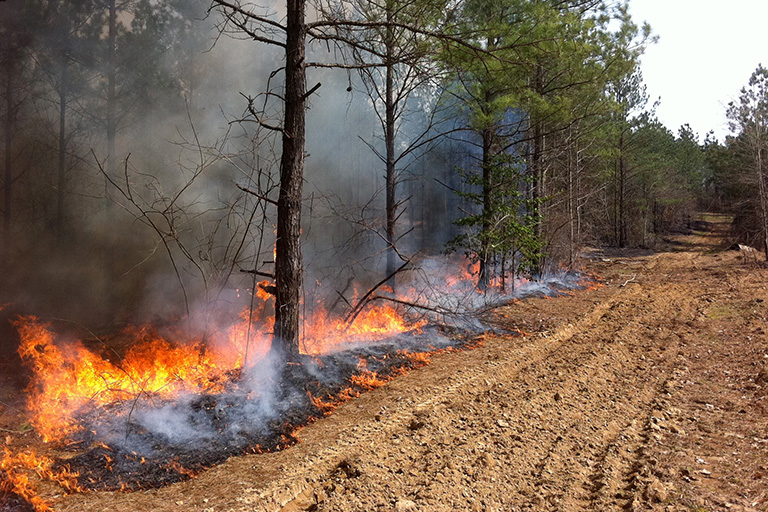
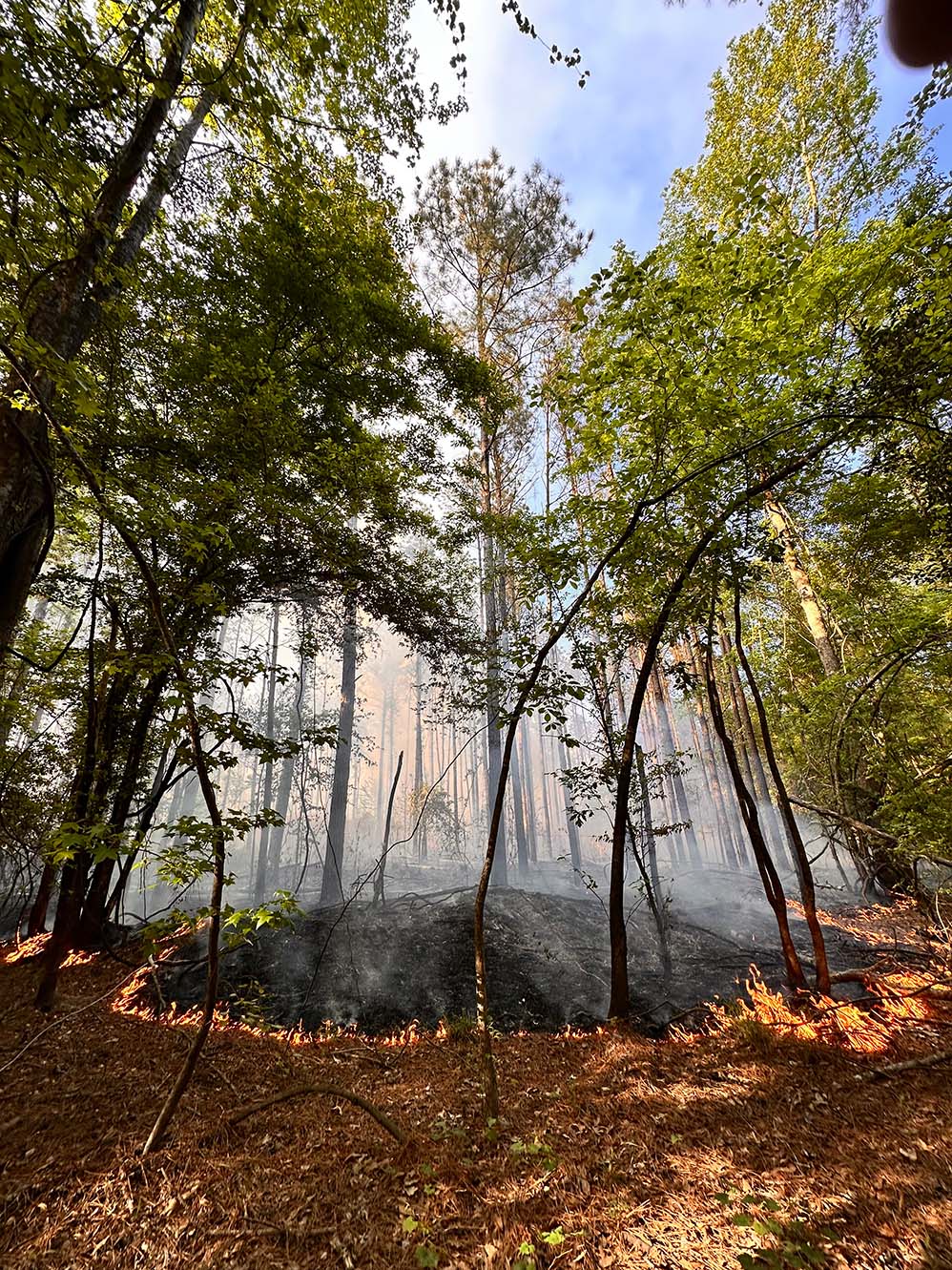
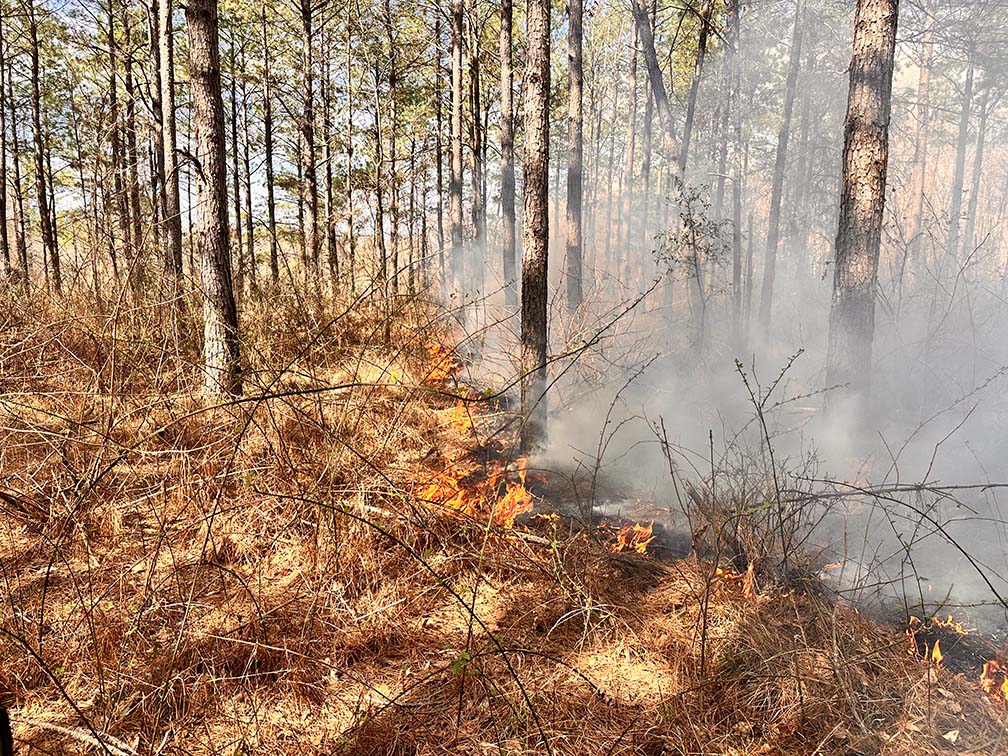
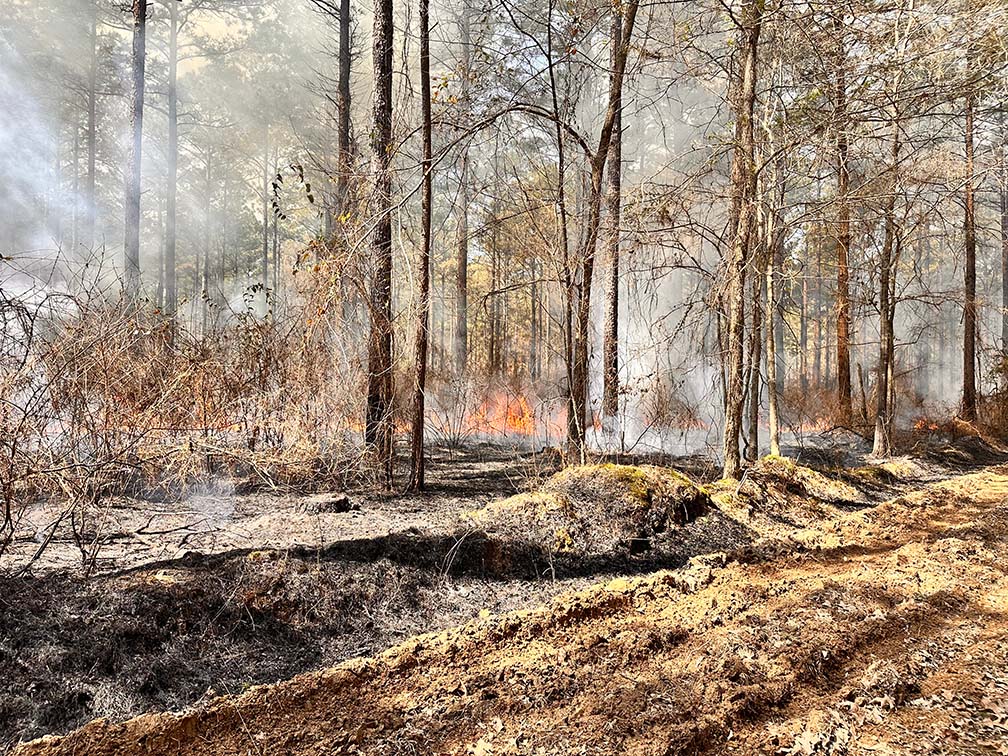
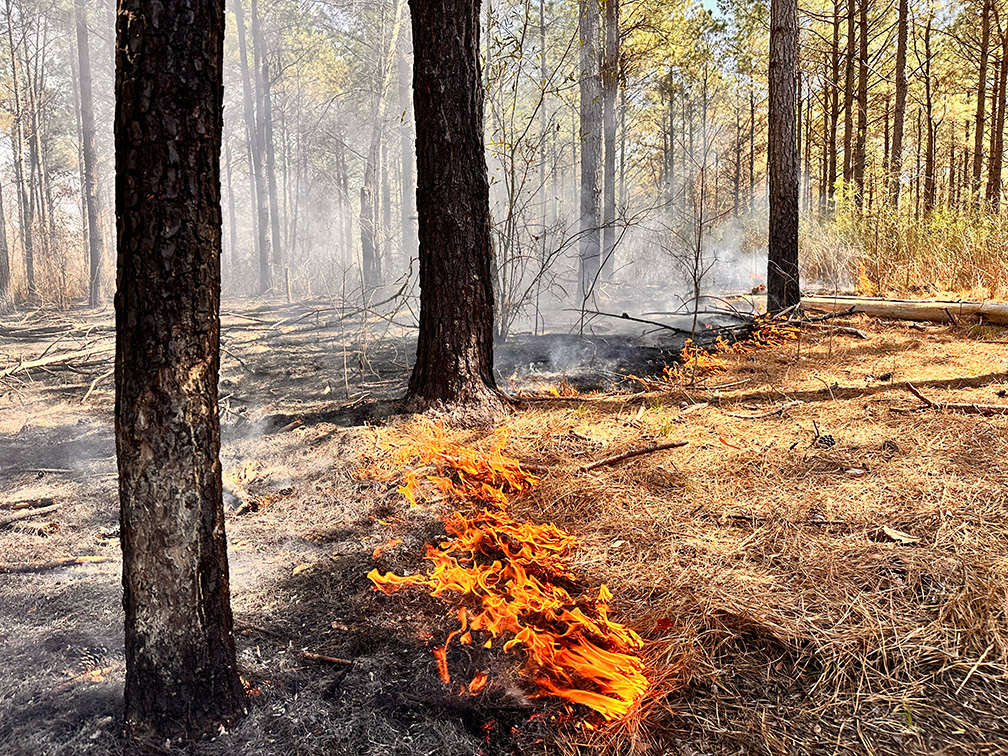
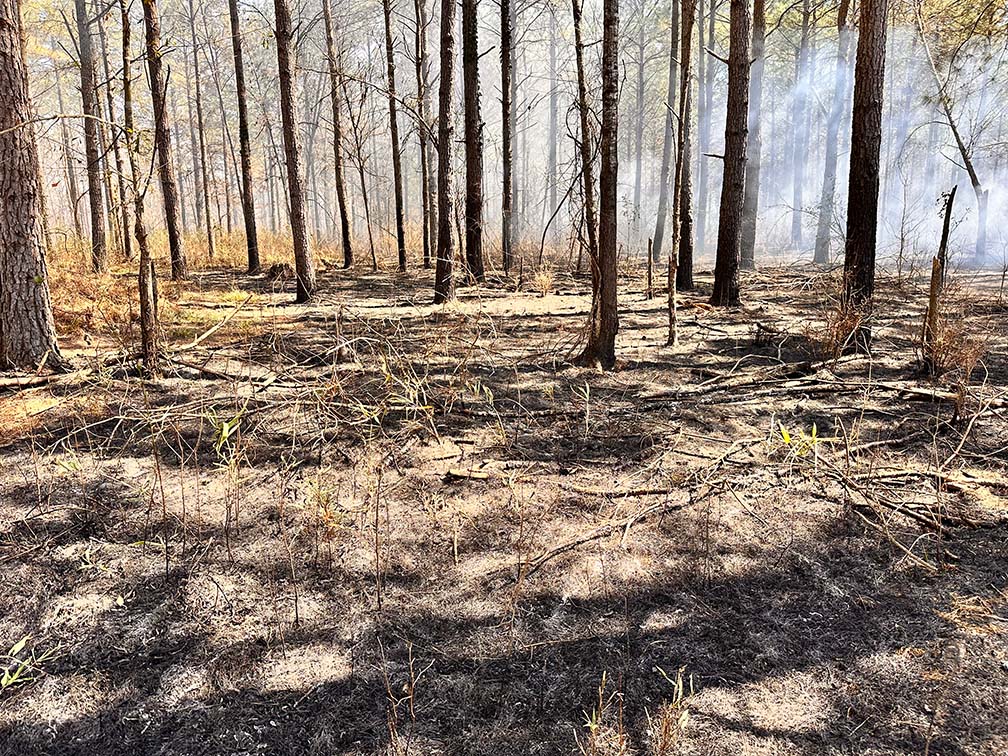
Prescribed Burning
Prescribed fire is one of the most effective tools for improving forest health and wildlife habitat. We plan and coordinate prescribed burning treatments to:
- Reduce fuel loads
- Control competing vegetation
- Improve nutrient cycling
- Enhance wildlife forage and stand structure
Burn plans are developed to meet safety, regulatory, and ecological objectives.
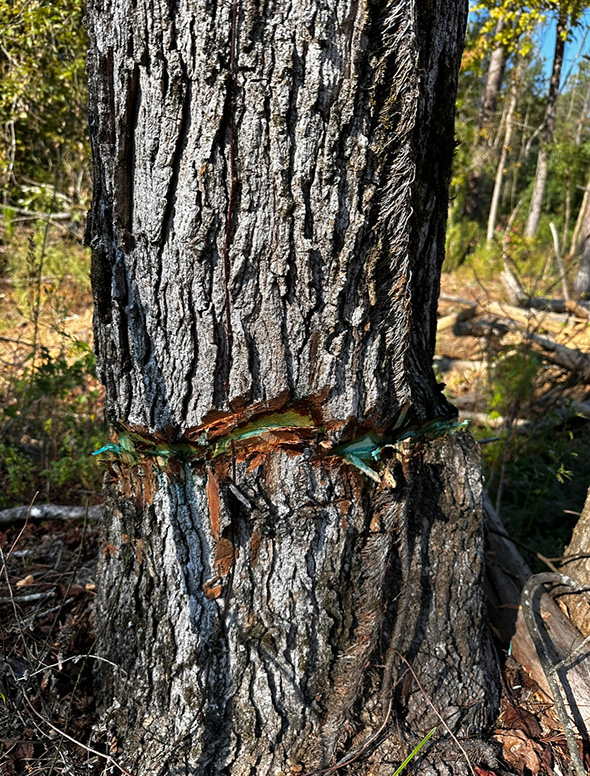
Early & Mid-Rotation Herbicide Applications
Targeted herbicide treatments reduce competition from undesirable vegetation, allowing preferred species to thrive. These applications are commonly used to:
- Improve pine and hardwood growth
- Enhance stand structure
- Support reforestation success
Applications are carefully selected and timed to achieve desired results while protecting non-target species.
Pre-Commercial Thinning
Pre-commercial thinning improves stand quality by removing excess or poorly formed trees before they reach merchantable size. Benefits include:
- Increased growth of remaining trees
- Improved stand structure
- Reduced future management challenges
This practice is especially valuable in young, dense stands.
Silvicultural Practices & Long-Term Management
Silvicultural treatments are most effective when implemented as part of a broader management strategy.
Early coordination with forest management planning, reforestation, and wildlife objectives allows landowners to:
- Reduce long-term management costs
- Improve harvest outcomes
- Enhance habitat quality
- Increase overall land value
Well-timed silviculture protects both ecological integrity and financial performance.
Frequently Asked Questions
How do I know which silvicultural practices my property needs?
The appropriate treatments depend on stand age, species composition, site conditions, and your long-term goals. A professional evaluation helps identify the most effective approach.
Are prescribed burns safe?
Yes, when properly planned and executed. Prescribed burns follow strict safety protocols and are conducted under appropriate weather and site conditions.
How often are silvicultural treatments needed?
Treatment frequency varies by stand type and objectives. Some practices are applied once, while others may be repeated throughout a stand’s rotation.
Can silvicultural practices improve wildlife habitat?
Absolutely. Practices such as prescribed burning and thinning can significantly improve forage, cover, and habitat diversity.
Are cost-share programs available for these practices?
Many silvicultural treatments may qualify for conservation or cost-share funding. We assist landowners through cost share program administration when available.
Why Choose Nexus Land & Timber Solutions?
- Science-based, site-specific treatment recommendations
- Experience across all stand ages and forest types
- Integrated forestry and wildlife management expertise
- Focus on long-term forest performance
We help landowners actively guide forest development, rather than leaving outcomes to chance.
Ready to Tackle Your Regulatory Issues? Let Us Help.
Our experience and a wide array of EHS services can help your business to proactively address environmental, health, and safety regulatory issues. Contact us now to get started.