Forest Management Planning:
Maximizing Timber Value While Enhancing Wildlife Habitat
Why Every Forest Landowner Needs a Management Plan
Without a management plan, forest outcomes are largely left to chance. It might do fine on its own, or it might decline slowly over decades while you wonder why the timber never grows like you expected, the deer seem smaller than they used to be, and the property does not feel like it is working for you.
A forest management plan changes that. It gives you a roadmap based on what your property actually contains, what you want to accomplish, and what needs to happen to get there. Whether your primary interest is timber income, wildlife habitat, recreational use, or some combination of all three, a solid plan ensures you are making decisions with intention rather than guesswork.
At Nexus Land & Timber Solutions, we develop forest management plans for landowners across Louisiana, Texas, Arkansas, Mississippi, and Oklahoma. Our approach integrates forestry and wildlife expertise because we believe good timber management and good habitat management are not separate goals. They are two sides of the same coin.
What Is a Forest Management Plan?
A forest management plan is a written document that describes your property’s current conditions, states your goals for the land, and outlines specific practices and timelines for achieving those goals. Think of it as a prescription for your forest: a diagnosis of where things stand and a treatment plan for getting where you want to go. Learn more about our forest management planning services.
A comprehensive forest management plan typically includes:
- Property description and maps: Legal boundaries, access points, topography, soils, water features, and existing infrastructure
- Forest inventory data: Species composition, age classes, stocking density, tree sizes, timber volumes, and stand health
- Forest management goals: Clear statements of what you want to accomplish, whether that is timber income, wildlife habitat, recreation, conservation, or a combination
- Stand descriptions: Detailed information about each distinct forest unit, including species mix, condition, and management potential
- Silvicultural prescriptions: Specific recommendations for each stand, including thinning, harvesting, prescribed fire, reforestation, or other treatments
- Implementation timeline: A schedule showing when each practice should occur over the planning period, typically 10 to 20 years
- Monitoring and adaptive management: How progress will be tracked and how the plan will be updated as conditions change
The level of detail depends on your property size, complexity, and objectives. A 50-acre family tract might need a straightforward plan focused on a few key practices. A 5,000-acre timber investment property requires much more detailed inventory data, stand-level prescriptions, and financial analysis.
Why Forest Management Plans Matter
Writing down a plan might seem like unnecessary paperwork when you could just go out and start doing things on your property. But there are real, practical reasons why serious landowners invest in planning before implementation.
Making Informed Decisions
Without solid inventory data, you are guessing. How much timber do you actually have? What is it worth? Which stands are ready for harvest and which need another 10 years? Where are the best opportunities for habitat improvement? A forest management plan answers these questions so you can make decisions based on facts rather than assumptions.
Avoiding Costly Mistakes
Forest management mistakes are expensive and often irreversible. Cutting the wrong trees, harvesting too early, skipping a critical thinning, or ignoring a developing pest problem can cost you thousands of dollars and set your property back by decades. Southern pine forests typically reach merchantable pulpwood size within 12–18 years, with higher-value products (chip-n-saw and sawtimber) developing over 25–35 years depending on site quality and management intensity. Mistakes now affect the next generation.
Qualifying for Conservation Funding
Many federal and state conservation programs either require or strongly prefer landowners with documented management plans. Programs like EQIP, CSP, and various state forestry initiatives often cover 50 to 90 percent of improvement costs, but you need a plan to demonstrate that you are a serious steward of the land. Nexus has helped landowners secure over $1.4 million in conservation funding. Learn more about cost share program administration.
Tax Benefits
A documented forest management plan can support preferential tax treatment under programs like current use valuation or agricultural exemptions. It demonstrates that your property is being actively managed for a productive purpose rather than held passively. Specific requirements vary by state, so consult with a tax professional familiar with your jurisdiction.
The Foundation: Forestry Inventory and Analysis
Every good plan starts with knowing what you have. Forestry inventory and analysis is the process of systematically measuring and documenting your forest resources. This data forms the foundation for all management decisions. Learn more about our timber inventory and appraisal services.
What Gets Measured
A professional forest inventory typically collects:
- Tree species: What species are present and in what proportions? Species composition affects timber value, growth rates, and wildlife habitat
- Diameter distribution: The range of tree sizes present, usually measured at breast height (DBH). This tells you about stand age and structure
- Basal area and stocking: How densely stocked is the stand? Overstocked stands grow slowly and are prone to pest problems. Understocked stands waste site potential
- Height and volume: How much merchantable timber exists? This is essential for estimating current value and projecting future growth
- Stand health: Are there signs of disease, insect damage, storm damage, or other health problems that need attention?
- Regeneration: What is growing in the understory? Is there adequate regeneration of desirable species, or is the understory dominated by undesirable brush?
How Inventory Data Is Used
Inventory data drives management decisions. In southern pine stands, basal areas exceeding ~90–120 ft²/ac often indicate the stand is approaching or has exceeded optimal stocking, depending on site quality, age, and management objectives. If a hardwood stand has 60 percent of its value in poor-quality trees, you know improvement cutting should be a priority. If you have a 25-year-old plantation approaching first thin, you can start planning for that harvest. Without this data, you are operating blind.
Setting Forest Management Goals
Forest management goals are the foundation of your plan. Everything else flows from what you want to accomplish. Goals should be specific, realistic, and prioritized.
Common Landowner Goals
- Timber income: Maximizing financial returns from timber sales over time through strategic harvesting and reinvestment in stand improvement
- Wildlife habitat: Managing the forest to support healthy populations of deer, turkey, quail, or other species through food, cover, and structural diversity
- Recreation: Creating or enhancing opportunities for hunting, hiking, camping, or simply enjoying the property.
- Conservation and legacy: Protecting the property for future generations, maintaining ecological health, and qualifying for conservation programs
- Property value: Increasing the overall value of the land through improved timber stands, enhanced aesthetics, and better infrastructure
Most landowners have multiple goals. That is fine. The key is being clear about priorities when goals conflict. If you want maximum timber income but also want old-growth character with large trees and abundant snags, you need to understand those objectives may not be fully compatible. A good forester helps you navigate these tradeoffs honestly.
Silvicultural Practices: The Tools of Forest Management
Silviculture is the art and science of managing forest vegetation to achieve specific objectives. A forest management plan specifies which silvicultural practices should be applied to each stand, in what order, and on what timeline. Learn more about our silvicultural practices services.
Thinning
Thinning removes selected trees from a stand to reduce competition and concentrate growth on the remaining crop trees. In pine plantations, first thin typically occurs around age 12 to 18, depending on site quality and stocking. Thinning improves tree diameter growth, stand health, and resistance to pests. It also generates income that can fund other management activities.
Prescribed Fire
Fire is one of the most powerful and cost-effective management tools in the South. Regular burning on a two to four year rotation controls hardwood competition, stimulates native understory vegetation, reduces fuel loads, and improves wildlife habitat. Most upland pine stands in the I-20 corridor benefit from prescribed fire once sufficient fuel continuity and tree size allow safe burning, typically beginning around age 5–8 depending on stand conditions.
Forest Stand Improvement
Forest stand improvement (FSI) involves selectively removing undesirable trees to favor better quality trees and improve stand composition. This might include deadening cull hardwoods to release pines, removing poorly formed trees to favor crop trees, or thinning around mast-producing oaks to increase acorn production. FSI is especially valuable in hardwood stands where decades of high-grading have left behind low-quality residual trees. Learn more about forest stand improvement for wildlife.
Regeneration Harvests
Eventually, a stand reaches maturity and needs to be regenerated. Clearcutting, seed tree, and shelterwood methods each have their place depending on species, site conditions, and objectives. A good plan specifies not just when to harvest but how to ensure successful regeneration of the next stand.
Reforestation
After a regeneration harvest, getting the new stand established quickly is critical. This might involve natural regeneration, site preparation and planting, or a combination. Species selection, seedling quality, planting density, and early competition control all affect long-term results. Learn more about our reforestation services.
Integrating Wildlife Habitat into Your Forest Management Plan
A forest managed solely for timber is leaving value on the table. The same practices that grow quality timber can often be modified slightly to dramatically improve wildlife habitat. This integration does not have to sacrifice timber goals; it enhances overall property value. Learn more about our wildlife management plans.
Examples of integrated management:
- Thinning to 60 to 70 square feet of basal area instead of 80 provides better browse and cover for deer while still maintaining excellent timber growth
- Leaving three to five snags per acre during harvest provides cavity nesting habitat for woodpeckers, bluebirds, and other wildlife
- Including prescribed fire in the rotation improves turkey nesting habitat and quail brood-rearing cover while also benefiting pine health
- Retaining hardwood stringers along drains provides wildlife travel corridors and mast production without significantly reducing pine production
- Creating one to three acre wildlife openings within pine plantations provides edge habitat and supplemental food sources
Nexus Land & Timber Solutions brings both forestry and wildlife biology expertise to forest management planning. Our team includes professionals with Registered Forester and Certified Wildlife Biologist credentials, ensuring that habitat considerations are built into every plan from the beginning.
What to Expect: The Planning Process
Developing a forest management plan is a systematic process that typically unfolds over several weeks to a few months, depending on property size and complexity.
- Initial consultation: We discuss your property, your history with it, and your goals for the future. This conversation shapes everything that follows
- Property reconnaissance: We walk the property to get a sense of conditions, access, stand types, and any obvious issues or opportunities
- Forest inventory: We conduct a systematic inventory to collect the data needed for informed decision-making. This is the most time-intensive step
- Analysis and mapping: We analyze inventory data, delineate stands, and develop maps showing property features and management units
- Plan development: We develop specific prescriptions for each stand based on your goals and property conditions, including timelines and priorities
- Plan review: We present the draft plan to you, walk through recommendations, answer questions, and incorporate your feedback
- Final plan delivery: You receive a written plan document with maps, stand descriptions, prescriptions, and implementation schedule
A forest management plan is not a document you file away and forget. It is a working guide that should be referenced regularly and updated as conditions change or objectives evolve. Most plans are written for a 10 to 20 year planning horizon, with reviews and updates every five years or after major events like harvests or storms.
Frequently Asked Questions
How long does it take to develop a forest management plan?
It depends on property size and complexity. A straightforward plan for a smaller property might take a few weeks from initial consultation to final delivery. Larger properties with detailed inventory requirements take longer. The most time-intensive component is usually the forest inventory itself.
How often should a forest management plan be updated?
Plans should be reviewed at least every five years or after any major change in conditions, such as a timber harvest, storm damage, change in ownership, or shift in objectives. Regular updates ensure the plan remains relevant and useful.
Can I write my own forest management plan?
You can, but most landowners lack the technical knowledge to conduct a proper forest inventory and develop sound silvicultural prescriptions. More importantly, a plan written by a credentialed professional often carries more weight for conservation funding applications and tax purposes.
Does a forest management plan guarantee success?
No plan can guarantee outcomes. Markets change, weather happens, and forests are dynamic systems. But a plan dramatically improves your odds of achieving your goals by ensuring you make decisions based on data rather than guesswork.
What if my goals change after the plan is written?
Plans can and should be updated when goals change. A good plan provides flexibility while maintaining a coherent overall strategy. If your priorities shift significantly, a plan revision ensures your management activities still align with what matters most to you.
Start Managing Your Forest with Intention
Your forest is an asset. Whether measured in timber value, wildlife populations, recreational enjoyment, or legacy for the next generation, that asset deserves intentional management guided by a solid plan.
Nexus Land & Timber Solutions develops forest management plans for landowners across Louisiana, Texas, Arkansas, Mississippi, and Oklahoma. We combine forestry expertise with wildlife biology to create plans that maximize the full potential of your property.
Recent Posts
- Forest Management Planning Maximizing Timber Value
 A comprehensive guide to developing a forest management plan that balances timber production, wildlife habitat, and long-term property value.
 - Land Management Services
 How working with a land management consultant can help you get more from your timber, wildlife, and recreational investment.
 - Understanding Habitat Management
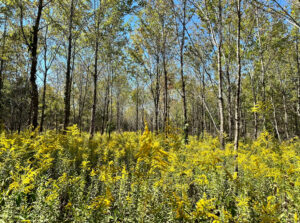 Your property holds far more potential than you may realize. With the right habitat management plan, you can grow healthier deer herds, improve turkey nesting success, rebuild quail populations, and qualify for conservation funding that can cover much of the cost.
 - Understanding Prescribed Burns
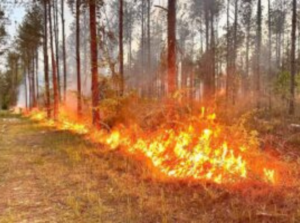 If you have spent any time around land management in Louisiana, Texas, Arkansas, Mississippi, or Oklahoma, you have heard folks talk about burning. Maybe you have driven past a property in February and seen the smoke, or watched your neighbor’s pasture come back thick and green after a fire moved through. There is a reason so many landowners swear by prescribed burning. When done right, it is one of the best things you can do for your property.