Land Management Services: What Professional Consulting Can Do for Your Property
Your Land Deserves More Than Guesswork
Owning land is one thing. Getting the most out of it is another. Whether you inherited a family tract, bought a place for hunting, or invested in timber as a long-term asset, there comes a point when you realize the property could be doing more for you. The deer herd could be healthier. The timber could be growing faster. The brush could be under control. The whole place could just work better.
That is where land management services come in. A qualified land management consultant brings the expertise to evaluate what you have, identify what is holding the property back, and develop a plan that moves you toward your goals. It is not about telling you what to do with your land. It is about helping you understand your options and making informed decisions.
At Nexus Land & Timber Solutions, we provide land management services across the I-20 corridor, including Louisiana, Texas, Arkansas, Mississippi, and Oklahoma. Our team includes professionals who hold both Registered Forester (RF) and Certified Wildlife Biologist (CWB) credentials, which means we look at your property as a complete system rather than just timber or just wildlife. That integrated approach is what separates real land management solutions from piecemeal advice.
What Are Land Management Services?
Land management services encompass the professional guidance, planning, and implementation support that helps landowners improve and maintain their properties. Think of it as having an expert in your corner who understands forestry, wildlife, soils, conservation programs, and how all those pieces fit together on your specific tract.
Professional land management typically includes:
- Property assessment: Walking your land to evaluate timber stands, wildlife habitat, soil conditions, water features, and existing infrastructure. This baseline understanding drives everything else.
- Management planning: Developing a written plan that outlines specific actions, timelines, and expected outcomes based on your objectives. A good plan considers both short-term improvements and long-term property health.
- Implementation oversight: Coordinating and supervising the actual work, whether that is a timber harvest, prescribed burn, reforestation project, or invasive species control. Quality control matters.
- Conservation funding assistance: Identifying federal and state programs that can offset your costs, preparing applications, and managing compliance throughout the contract period.
- Ongoing monitoring: Tracking results over time and adjusting the plan as conditions change or new opportunities arise.
The goal is not to create dependency on a consultant. It is to help you understand your land better and make decisions that produce real results.
Why Landowners Need Professional Land Management Assistance
Most landowners are capable, practical people. So why bring in outside help? Because land management has become genuinely complex, and the stakes are too high for trial and error.
The Knowledge Gap Is Real
Unless you grew up in forestry or wildlife biology, there is a lot you probably do not know about how your land actually works. Which trees should stay and which should go? Why are your deer smaller than the neighbors’? What is that vine taking over the fencerow, and how do you kill it? When is the right time to burn, and what happens if you wait too long?
A land management consultant has spent years, often decades, learning the answers to these questions. They have seen what works and what does not across hundreds of properties. That experience translates directly into better outcomes for you.
Integration Matters
One of the biggest mistakes landowners make is treating timber and wildlife as separate concerns. They hire a forester who thinks only about board feet. Or they hire a wildlife consultant who does not understand timber economics. The result is conflicting advice and missed opportunities.
Ecological land services done right consider the whole property. A timber thin that opens the canopy also improves browse for deer. A prescribed burn that reduces fuel load also stimulates quail habitat. A hardwood stand managed for mast production also generates timber revenue. Everything connects.
Time and Equipment
Even if you know what needs to happen, do you have time to make it happen? Land management is not a weekend hobby. Coordinating a timber sale, supervising a logging crew, running a prescribed burn, navigating NRCS paperwork: these things take real time and often require equipment most landowners do not own.
Working with a consultant lets you leverage their time, their relationships with contractors, and their access to resources you would otherwise have to build from scratch.
What a Land Management Consultant Actually Does
The term ‘consultant’ can sound vague. Here is what it looks like in practice when you work with a professional on your property.
Initial Property Evaluation
Everything starts with walking the land. A good consultant wants to see your property firsthand, not just look at aerial photos. They are evaluating:
- Timber: Species composition, age classes, stocking density, health, and potential value.
- Wildlife habitat: Food sources, cover types, water availability, and how animals are actually using the property based on sign.
- Soils and hydrology: What the ground can support, where water collects, and how drainage patterns affect management options.
- Access and infrastructure: Roads, firebreaks, food plots, fencing, and what improvements might be needed.
- Problem areas: Invasive species, erosion, overstocked stands, or other issues that need attention.
Goal Setting
Before any plan gets written, you need to be clear about what you want. A consultant should ask questions and listen. Are you primarily interested in timber income? Deer hunting? Quail? A mix of everything? Do you plan to own this property for five years or fifty? Your answers shape the entire approach.
Good consultants push back when expectations are unrealistic. If you want trophy bucks but your property is 80 acres surrounded by doe factories, they should tell you the truth about what is achievable.
Management Plan Development
The written management plan is where everything comes together. A quality forest management plan includes:
- Current conditions: A clear picture of where your property stands today.
- Objectives: Specific, measurable goals tied to your priorities.
- Recommended practices: What needs to happen, in what order, and why.
- Timeline: When each practice should occur, accounting for seasons, funding cycles, and logical sequencing.
- Budget: Realistic cost estimates, including potential conservation funding offsets.
- Maps: Visual representation of management units, planned activities, and key features.
Implementation Support
A plan sitting in a drawer does nothing. Implementation is where results happen. Depending on your needs, a consultant might:
- Mark timber for harvest and solicit bids from logging contractors.
- Coordinate prescribed burns with a certified burn manager.
- Lay out food plots and specify seed mixes appropriate for your soil.
- Apply for EQIP or other conservation funding on your behalf.
- Supervise contractors to ensure work meets specifications.
- Monitor results and recommend adjustments.
Land Management Solutions for Different Property Types
Every property is different. Here is how professional land management services apply to common situations across the I-20 corridor.
Timber Investment Properties
If timber is your primary asset, you need someone who understands markets, timing, and silviculture. Key services include:
- Timber inventory and appraisal: Knowing exactly what you have and what it is worth before making decisions.
- Harvest planning: Determining when to cut, how much to cut, and which trees should stay for future value.
- Reforestation: Ensuring the next stand gets established correctly after harvest.
- Mid-rotation management: Thinning, prescribed fire, and other practices that improve growth and value over time.
Recreational and Hunting Properties
If you bought the land for hunting and enjoyment, habitat quality drives everything. Relevant services include:
- Habitat assessment: Understanding what your property offers and what is limiting wildlife populations.
- Species-specific management: Targeted improvements for deer, turkey, quail, waterfowl, or whatever you are managing for.
- Food plot planning: Strategic placement and species selection based on soil, sunlight, and wildlife patterns.
- Prescribed fire programs: Regular burning to maintain habitat quality and control succession.
Mixed-Use Properties
Many landowners want both timber income and good hunting. These goals are not mutually exclusive, but they require integrated planning. A land management consultant who understands both forestry and wildlife biology can design an approach that balances production with recreation.
Implementation Support
A plan sitting in a drawer does nothing. Implementation is where results happen. Depending on your needs, a consultant might:
- Mark timber for harvest and solicit bids from logging contractors.
- Coordinate prescribed burns with a certified burn manager.
- Lay out food plots and specify seed mixes appropriate for your soil.
- Apply for EQIP or other conservation funding on your behalf.
- Supervise contractors to ensure work meets specifications.
- Monitor results and recommend adjustments.
Inherited or Neglected Properties
If you recently inherited land or bought a property that has been neglected, the starting point is understanding what you are working with. Years of deferred maintenance often mean overstocked timber, invasive species problems, and degraded habitat. A professional assessment identifies priorities and develops a realistic plan to bring the property back.
How Conservation Funding Fits In
One of the most valuable things a land management consultant can do is connect you with conservation funding. Federal and state programs routinely pay 50 to 90 percent of the cost for practices like prescribed burning, forest thinning, native grass establishment, and wildlife habitat improvements. Learn more about cost share program administration.
These programs exist, but they are not always easy to navigate. The application process involves paperwork, deadlines, and specific requirements. A consultant who works with NRCS and state agencies regularly knows how to position your property for approval and can manage the compliance requirements throughout the contract.
Nexus Land & Timber Solutions has helped landowners secure over $1.4 million in conservation funding. That is real money that offset costs for practices that improved timber value, wildlife habitat, and property resilience.
What to Look for in a Land Management Consultant
Not all consultants are created equal. Here is what separates the good ones from the rest:
- Credentials: Look for professional certifications like Registered Forester (RF), Certified Forester (CF), or Certified Wildlife Biologist (CWB). These designations mean the person has met education and experience requirements and follows professional standards. The best consultants often hold multiple credentials.
- Local knowledge: Someone who has worked extensively in your region understands local species, markets, soil types, and regulatory requirements. National firms without local presence often miss important details.
- Integrated expertise: The best consultants understand both timber and wildlife. If someone only thinks about one side of the equation, you are getting incomplete advice.
- Track record: Ask for references and examples of past work. How long have they been doing this? What results have they achieved for similar properties?
- Communication style: You need someone who explains things clearly, listens to your goals, and treats you like a partner rather than a customer to be sold.
The Cost of Not Getting Help
Professional land management services cost money. But so does neglect, bad timing, and missed opportunities.
- Timber sold at the wrong time or to the wrong buyer can cost thousands in lost value.
- Habitat that never gets managed produces smaller deer, fewer turkeys, and disappointing hunts.
- Conservation funding you never applied for is money left on the table.
- Invasive species left unchecked become exponentially harder and more expensive to control.
- Deferred maintenance compounds. The longer you wait, the more it costs to catch up.
The question is not whether you can afford professional help. It is whether you can afford the cumulative cost of going without it.
Frequently Asked Questions
How much do land management services cost?
It depends on the scope of work and your specific objectives. The best approach is to have a conversation about your property and goals so we can provide an accurate estimate. Conservation funding can often offset a significant portion of implementation costs for qualifying projects.
How often should I work with a consultant?
For actively managed properties, annual or semi-annual check-ins keep things on track. Major decisions like timber sales or habitat projects warrant dedicated involvement. Some landowners prefer a hands-off approach with periodic reviews; others want close collaboration throughout the year.
Can you help with a property I just purchased?
Absolutely. New acquisitions are actually an ideal time to bring in a consultant. Understanding what you bought and developing a management plan from day one sets you up for success.
What if my property is small?
Size does not disqualify you from professional management. We work with properties ranging from 40 acres to thousands of acres. Smaller tracts can still benefit significantly from targeted improvements and conservation funding.
Do you just give advice, or do you actually do the work?
Both. We develop plans and recommendations, but we also coordinate and supervise implementation. Whether that means marking timber, managing a prescribed burn, or overseeing a contractor, we stay involved through completion.
Your Property Has Potential. Let Us Help You Unlock It.
Good land does not manage itself. Whether you want to grow better timber, improve your hunting, access conservation funding, or simply take better care of what you have, professional land management services can make the difference between a property that just sits there and one that works for you.
Nexus Land & Timber Solutions provides land management services across Louisiana, Texas, Arkansas, Mississippi, and Oklahoma. Our team combines forestry expertise with wildlife biology to deliver integrated solutions that address your whole property, not just pieces of it.
Recent Posts
- Forest Management Planning Maximizing Timber Value
 A comprehensive guide to developing a forest management plan that balances timber production, wildlife habitat, and long-term property value.
 - Land Management Services
 How working with a land management consultant can help you get more from your timber, wildlife, and recreational investment.
 - Understanding Habitat Management
 Your property holds far more potential than you may realize. With the right habitat management plan, you can grow healthier deer herds, improve turkey nesting success, rebuild quail populations, and qualify for conservation funding that can cover much of the cost.
 - Understanding Prescribed Burns
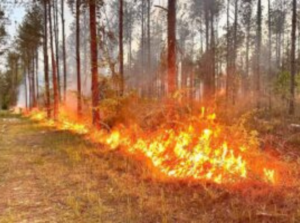 If you have spent any time around land management in Louisiana, Texas, Arkansas, Mississippi, or Oklahoma, you have heard folks talk about burning. Maybe you have driven past a property in February and seen the smoke, or watched your neighbor’s pasture come back thick and green after a fire moved through. There is a reason so many landowners swear by prescribed burning. When done right, it is one of the best things you can do for your property.