Species-Specific Wildlife Habitat Evaluation and Management
Specialized habitat assessments designed to support targeted wildlife species while improving overall ecosystem health on your property.
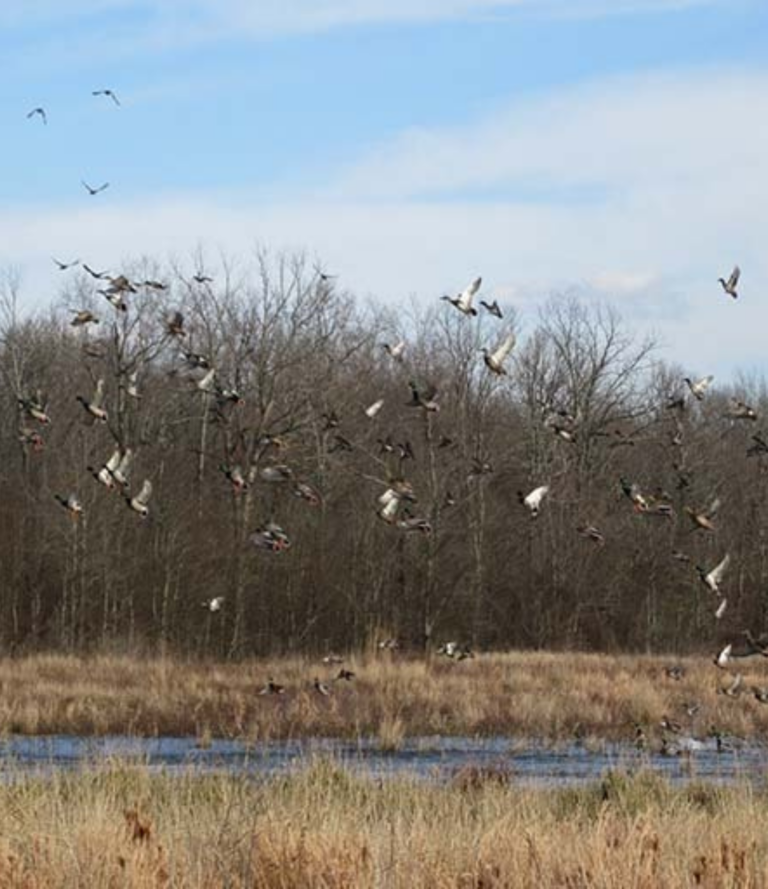
Species Specific Habitat Evaluation & Management
Targeted Habitat Strategies for Wildlife Performance
Effective wildlife management requires more than general habitat improvements: it demands species-specific evaluation and management strategies tailored to the unique needs of target wildlife.
At Nexus Land & Timber Solutions, we provide species-specific habitat evaluation and management services designed to help landowners intentionally improve habitat conditions for priority species. Whether your goal is duck hunting in a Green Tree Reservoir (GTR) or moist-soil unit, open pine conditions for quail and turkey, or bottomland hardwood management for deer, our team delivers data-driven, site-specific solutions that align with your land use and recreational objectives.
These services are fully integrated with our broader wildlife management plans and forest management planning to ensure long-term success.
Why Species-Specific Habitat Management Matters
Different wildlife species require distinct habitat structures, food sources, and disturbance regimes. Managing land without a species-specific focus can limit wildlife response, even when significant effort is invested.
These principles align with habitat management guidance published by the U.S. Department of Agriculture Natural Resources Conservation Service (NRCS), which emphasizes species-driven habitat requirements as a foundation for sustainable wildlife management:
Targeted habitat management helps:
- Improve wildlife use and population performance
- Align habitat conditions with hunting and recreational goals
- Increase habitat efficiency across limited acreage
- Support long-term sustainability of wildlife populations
By managing habitat with a specific species in mind, landowners achieve more predictable and measurable results.
Our Species-Specific Management Approach
We apply a science-based, goal-driven approach to habitat management. Every project begins with an on-the-ground evaluation of existing conditions and a clear understanding of target species objectives.
Our evaluations often integrate:
- Population surveys and assessments
- Forest stand improvement for wildlife
- Other silvicultural practices
- Forest health and monitoring
This integrated approach ensures habitat treatments are biologically appropriate, cost-effective, and compatible with long-term forest management.
Species-Specific Habitat Services We Provide
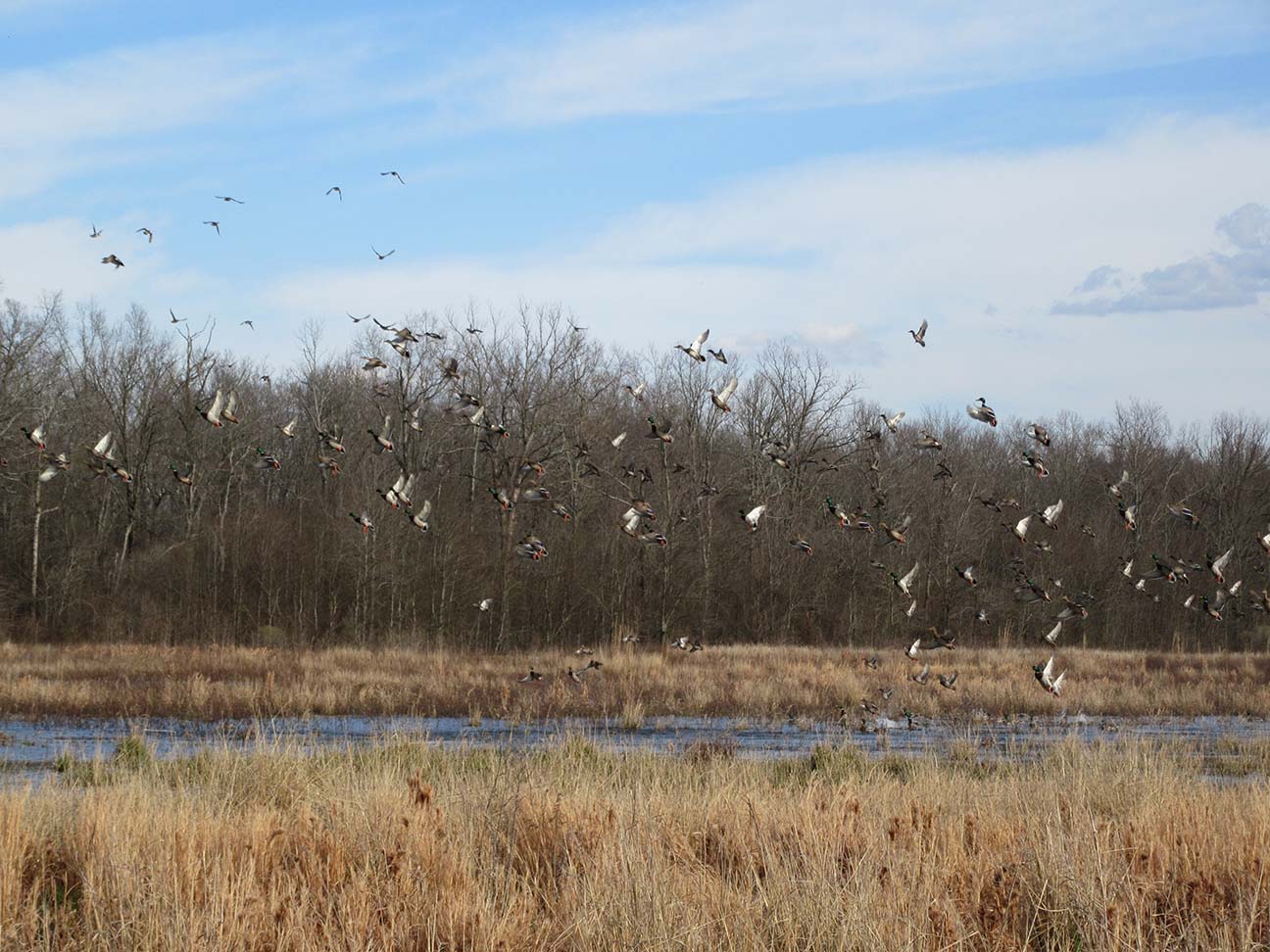
Waterfowl Habitat (Ducks)
We evaluate and manage habitat for waterfowl in:
- Green Tree Reservoirs (GTRs)
- Moist-soil management units
- Flooded agricultural and forested systems
Management strategies focus on hydrology, vegetation composition, and seasonal timing to improve food availability and waterfowl use.
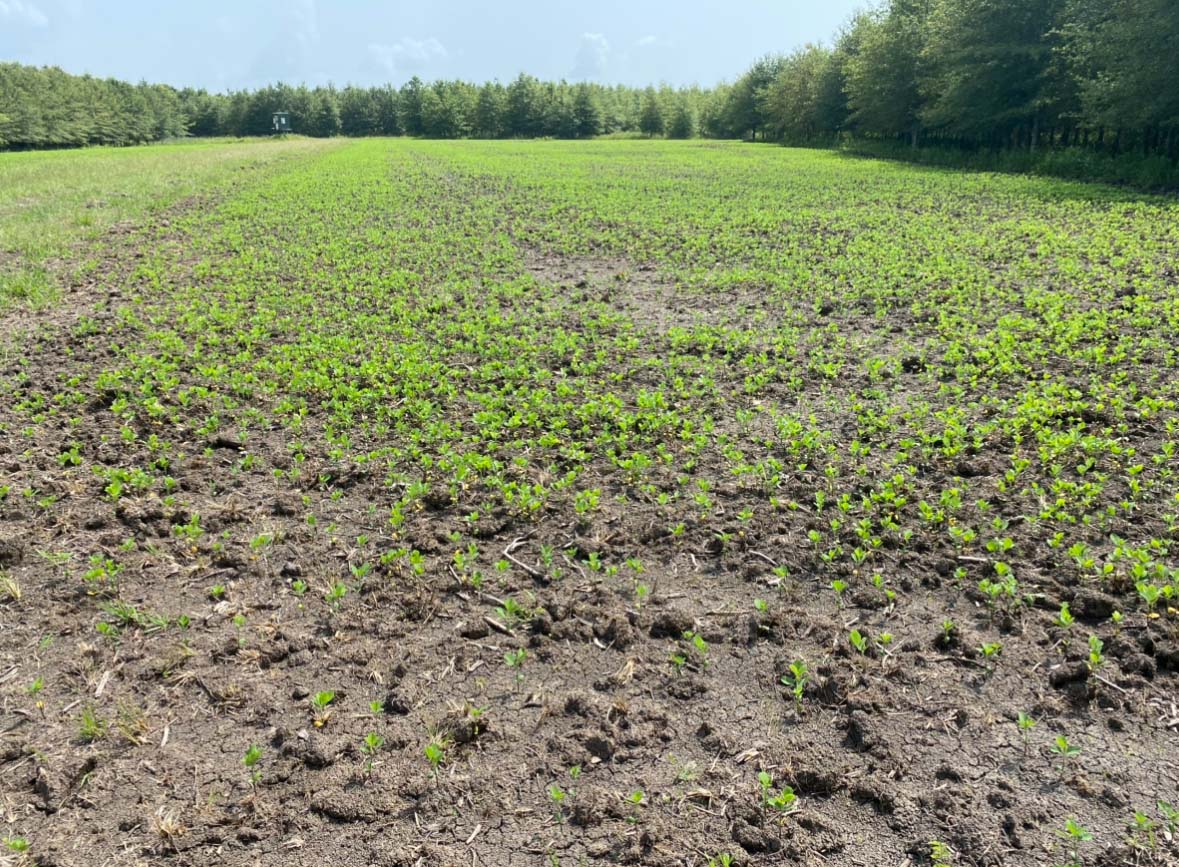
Upland Game Habitat (Quail & Turkey)
For quail and turkey, we design habitat conditions that promote:
- Open pine structure
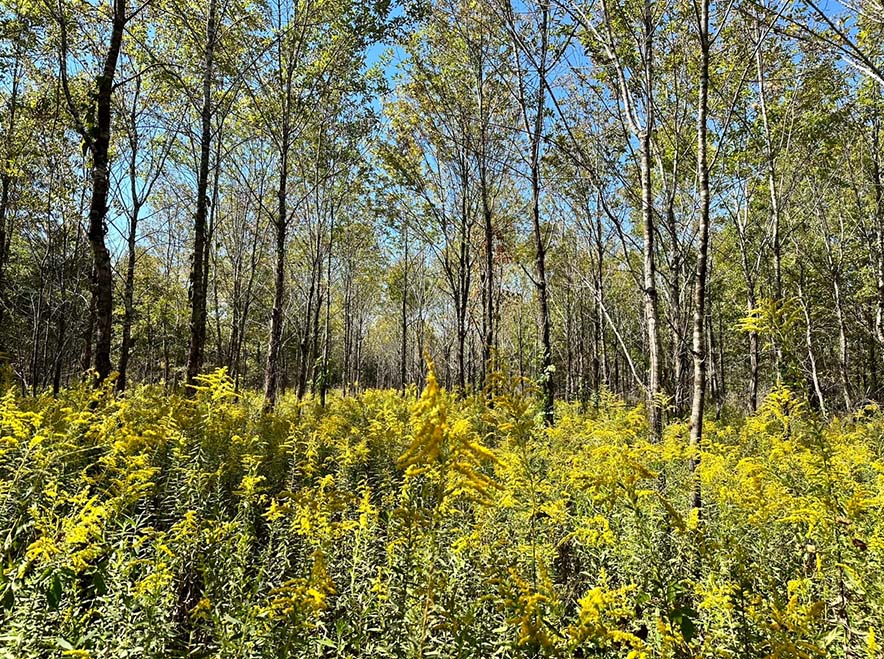
- Diverse groundcover and brood habitat
- Foraging and nesting opportunities
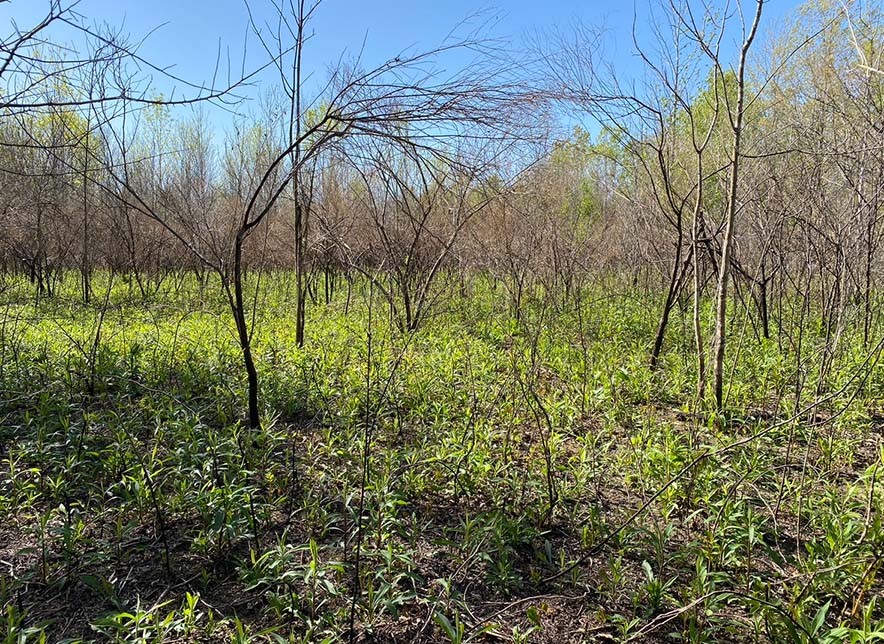
Treatments often include prescribed burning, selective thinning, and targeted vegetation management.
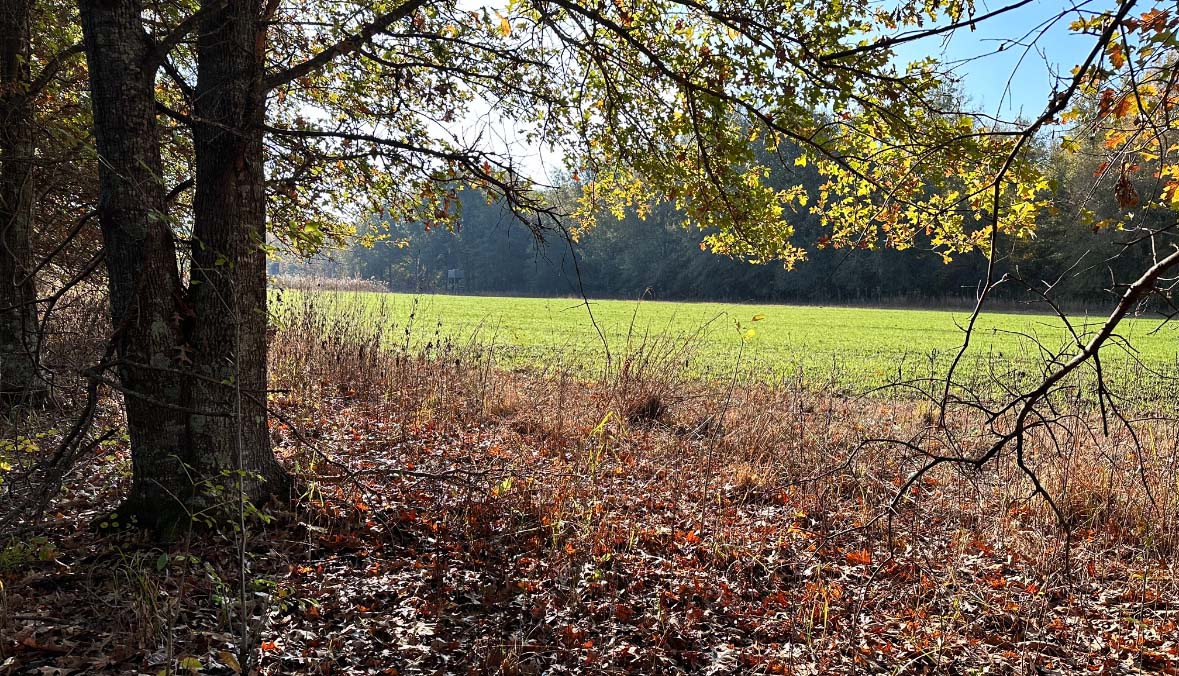
Big Game Habitat (White-Tailed Deer)
We manage habitat to improve:
- Forage availability
- Cover and travel corridors
- Seasonal habitat diversity
Deer habitat strategies are coordinated with harvest data analysis and long-term forest objectives.
Habitat Evaluation & Recommendations
Each project includes a detailed habitat evaluation with clear, actionable recommendations that prioritize treatments based on impact, cost, and landowner goals.
How Species-Specific Management Fits Into Long-Term Planning
Species-specific habitat management is most effective when coordinated early with:
This alignment ensures habitat objectives are supported through every phase of forest development, not compromised by future management actions.
Frequently Asked Questions
Do I need a separate plan for each species?
Not always. Many properties can support multiple species when habitat is intentionally structured. A professional evaluation helps balance objectives without conflict.
Can habitat improvements increase hunting success?
Yes. Species-specific habitat management often leads to improved wildlife use, behavior, and population stability: key factors for consistent hunting success.
How long does it take to see results?
Some habitat responses occur within one to two seasons, while others develop over several years depending on treatment type and species.
Can these services be combined with timber management?
Absolutely. Habitat management is most successful when coordinated with timber harvests, thinning, and silvicultural treatments.
Are cost-share programs available for habitat management?
Some habitat practices may qualify for conservation funding. We can help evaluate opportunities and integrate them into your management strategy.
Why Choose Nexus Land & Timber Solutions?
- Proven experience managing habitat for multiple game species
- Science-based, site-specific recommendations
- Integrated forestry and wildlife expertise
- Focus on measurable, long-term results
We help landowners move from general habitat improvements to intentional wildlife performance.
Ready to Tackle Your Regulatory Issues? Let Us Help.
Our experience and a wide array of EHS services can help your business to proactively address environmental, health, and safety regulatory issues. Contact us now to get started.